
2026-08-20 ·
How To Prevent Frozen Pipes In Aurora Winters
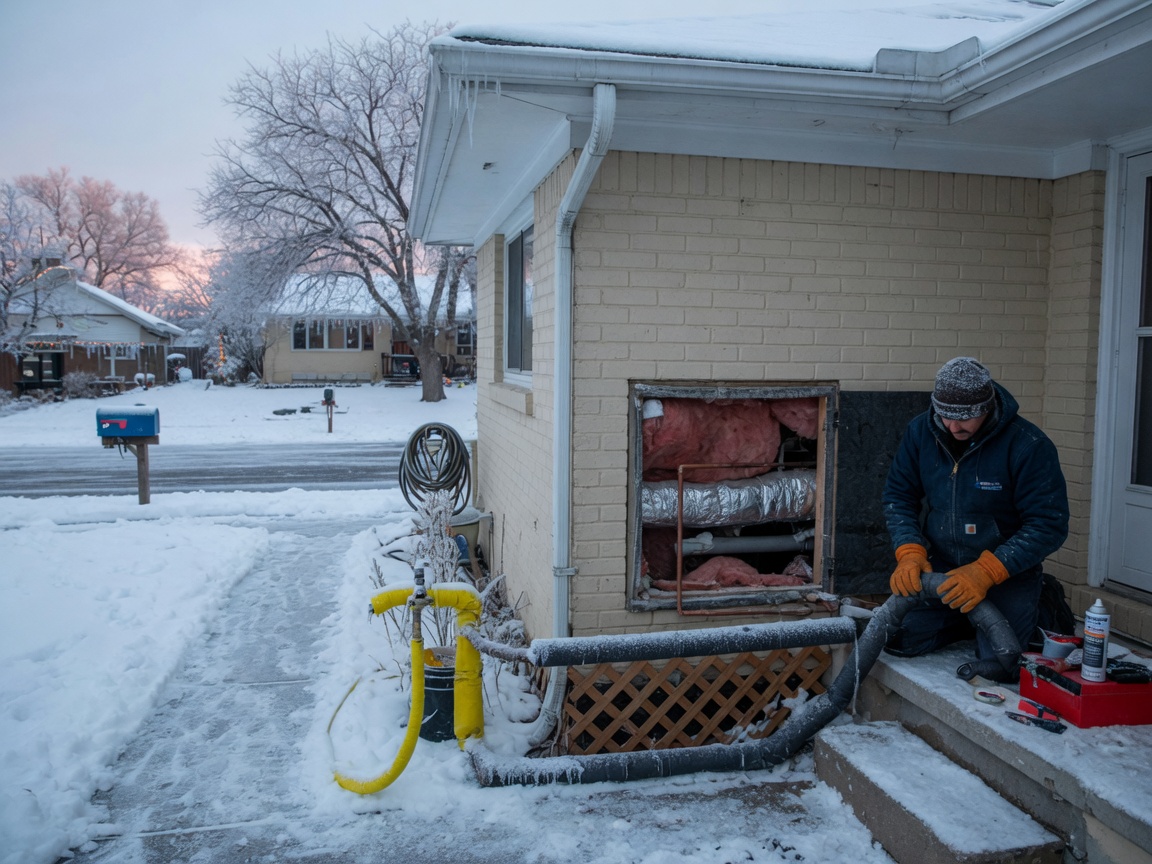
Prevent frozen pipes in Aurora by insulating vulnerable lines, allowing faucets to drip during subfreezing nights, and keeping interior temperatures above 55°F in unheated spaces. These steps address the semi-arid climate's sharp winter drops that hit homes in Aurora Hills, Del Mar Parkway, and Hoffman Heights hardest.
Identifying Vulnerable Pipes in Aurora Homes
Many homes built before 1980 in neighborhoods such as Fitzsimons, Heather Gardens, and East Ridge feature exposed pipes in crawl spaces, attics, and exterior walls. Arapahoe County's freeze-thaw cycles expand water in these lines, especially where soil shifts around older foundations near Cherry Creek State Park. Check supply lines to outdoor spigots, washing machine hookups, and water heater feeds first. Homes near Aurora Reservoir often sit on sloped lots that channel cold air under floor joists. Walk through each room during the first cold snap and note any pipes within 6 inches of exterior walls. This inspection reveals patterns tied to the area's housing stock rather than generic advice.
Insulating Exposed Pipes Before Winter Hits
Apply foam pipe insulation sleeves rated for temperatures down to 0°F on all accessible lines in garages and basements. Wrap outdoor faucets with insulated covers and disconnect garden hoses by mid-October. In Mission Viejo and Meadow Hills properties, pay extra attention to pipes running through vented crawl spaces where wind from the plains accelerates heat loss. Use heat tape with built-in thermostats on longer runs near Stanley Marketplace commercial conversions turned residential. Secure insulation with zip ties every 12 inches and seal gaps around penetrations with expanding foam. These measures reduce the risk of ice expansion that commonly cracks copper lines in 40-year-old Aurora stock.
Managing Heat and Water Flow During Cold Snaps
Maintain a minimum 55°F thermostat setting in areas with plumbing when overnight lows drop below 20°F, which occurs regularly from December through February in Arapahoe County. Open cabinet doors under sinks to allow warm air circulation around pipes. On nights forecast below 15°F, let cold-water faucets drip at a pencil-lead stream in kitchens and bathrooms. This keeps water moving through lines serving High Point and Peoria Park homes where municipal pressure can fluctuate. Avoid shutting off heat entirely even when traveling, as the semi-arid air dries out quickly and accelerates pipe cooling. Monitor weather apps for sustained cold fronts that affect both Aurora and nearby Parker.
When Professional Assessment Becomes Necessary
If pipes have already frozen or you notice reduced flow after a cold spell, contact a local plumber for leak detection and repair before attempting DIY thawing. Technicians familiar with Aurora's water main depths can locate issues in Murphy Creek or Del Mar Parkway without unnecessary wall damage. Schedule an inspection through plumbing repairs if your home sits near older infrastructure in City Center. For ongoing concerns about pressure changes common in the region, review details in What Causes Low Water Pressure In Aurora Neighborhoods. On Point Plumbing operates from 13902 E Princeton Pl Ste B, Aurora, CO 80014 with hours Monday through Friday 8am–6pm and Saturday 9am–2pm to handle these winter calls.
Long-Term Protection for Aurora Properties
Replace aging galvanized lines with PEX during renovations in East Ridge and Aurora Hills to improve freeze resistance. Add insulation to exterior walls and seal foundation vents before the next season. Properties near Fletcher Plaza and the Aurora History Museum often benefit from rerouting pipes away from north-facing walls. Track local forecasts from Commerce City and Denver influences, as cold air masses move quickly across the Front Range. Consistent maintenance prevents the majority of burst incidents reported each winter in Arapahoe County homes.