
2026-08-20 ·
Winterizing Outdoor Faucets And Sprinkler Systems
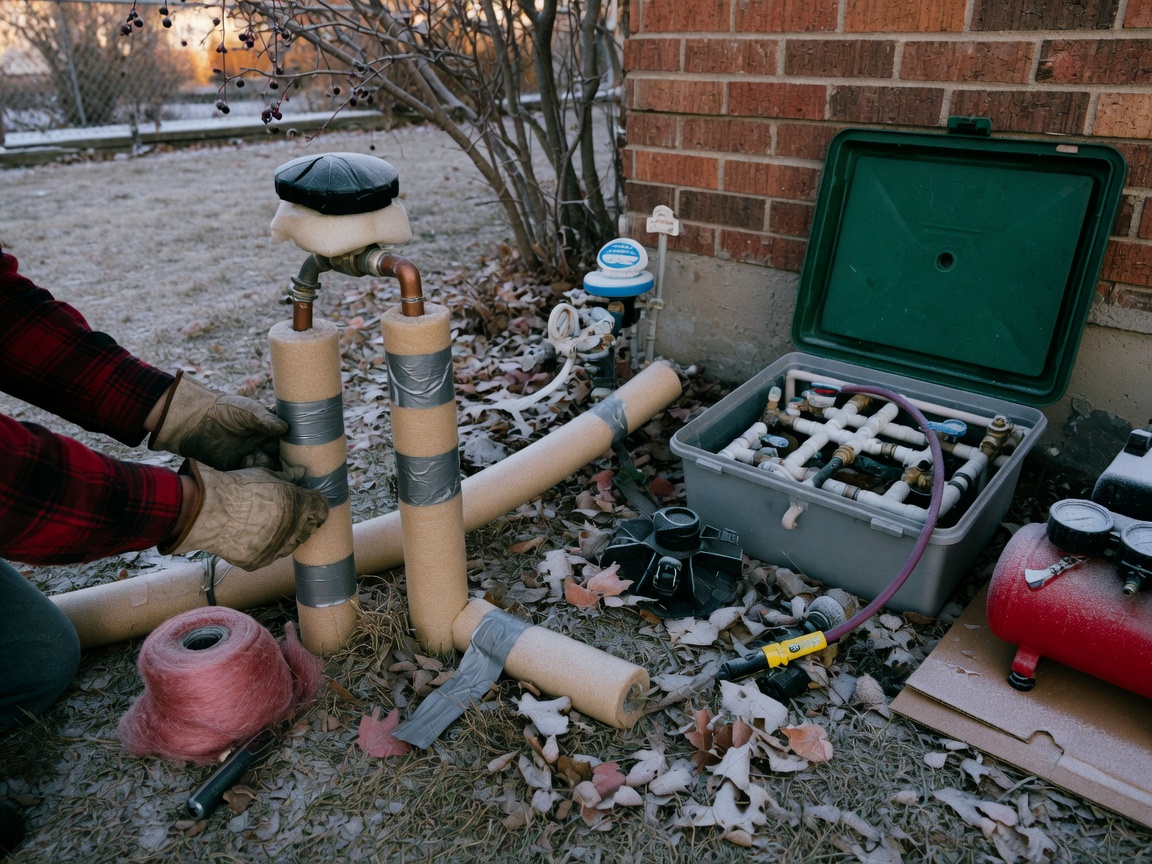
Winterizing outdoor faucets and sprinkler systems in Aurora takes 1-2 hours for most single-family homes and stops burst pipes when temperatures drop below freezing in Arapahoe County. The semi-arid climate brings hot summers that stress irrigation lines followed by sudden cold snaps that freeze standing water in exposed lines. Homes in Aurora Hills, Hoffman Heights, and Del Mar Parkway often have older galvanized or copper lines installed decades ago that crack faster than newer PEX runs. Proper prep also keeps water from backing up into basements when spring thaws hit.
Why Winterizing Matters in Aurora's Climate
Aurora's cold winters regularly dip into the teens at night while daytime highs stay in the 30s, creating repeated freeze-thaw cycles that expand ice inside outdoor lines. Properties near Aurora Reservoir or Cherry Creek State Park sit on slightly higher ground where wind chill accelerates heat loss from exposed faucets. In neighborhoods such as East Ridge and Mission Viejo, many homes built in the 1970s and 1980s still use older compression-style sillcocks that lack built-in backflow protection. Skipping winterizing often leads to cracked pipes that leak once temperatures rise, requiring plumbing repairs to restore service. Local soil in Arapahoe County tends to be clay-heavy, which holds moisture against buried sprinkler lines and increases freeze risk when insulation is missing.
Preparing Outdoor Faucets Before First Freeze
Start by shutting off the interior shutoff valve that feeds each exterior faucet, then open the outdoor handle to drain remaining water. Disconnect garden hoses and store them indoors so residual moisture does not freeze and split the rubber. Install foam faucet covers on every exposed sillcock, especially on north-facing walls in High Point and Meadow Hills where sun exposure is lowest. For homes in Peoria Park and Murphy Creek, check that the shutoff valves themselves are accessible and not buried behind finished basement walls. If a valve will not close fully, schedule leak detection and repair before winter sets in to avoid hidden drips that refreeze overnight.
Winterizing Sprinkler Systems in Local Neighborhoods
Blow out irrigation lines with compressed air at 40-60 psi to clear all zones, working from the farthest head back toward the manifold. In Heather Gardens and Fitzsimons, many systems run under driveways or sidewalks where shallow burial depth makes lines especially vulnerable. Set the controller to the off position and label the timer so spring reactivation does not accidentally run zones with standing water. Homeowners near Stanley Marketplace or Fletcher Plaza often deal with shared irrigation on townhome lots; coordinate with neighbors to avoid double-billing for the same service. After blowing out lines, leave all drain valves open and insulate any above-ground backflow preventers with removable covers rated for outdoor use.
Common Problems and When to Call for Help
Frozen faucets that still drip after shutoff usually indicate a failed washer or seat that needs replacement before spring. Sprinkler heads that pop up crooked in spring often signal cracked risers from ice expansion the previous winter. Older homes in Aurora Hills and City Center frequently have mixed pipe materials that react differently to temperature swings, so a single missed zone can cause multiple leaks. If you notice low pressure or unusual noises after thawing, review the guide on fixing a running toilet in older Aurora houses for related valve issues that can appear at the same time. On Point Plumbing operates from 13902 E Princeton Pl Ste B, Aurora, CO 80014 with hours Monday through Friday 8am–6pm and Saturday 9am–2pm to handle these seasonal calls.