
2026-08-20 ·
Signs Your Aurora Home Needs Slab Leak Repair
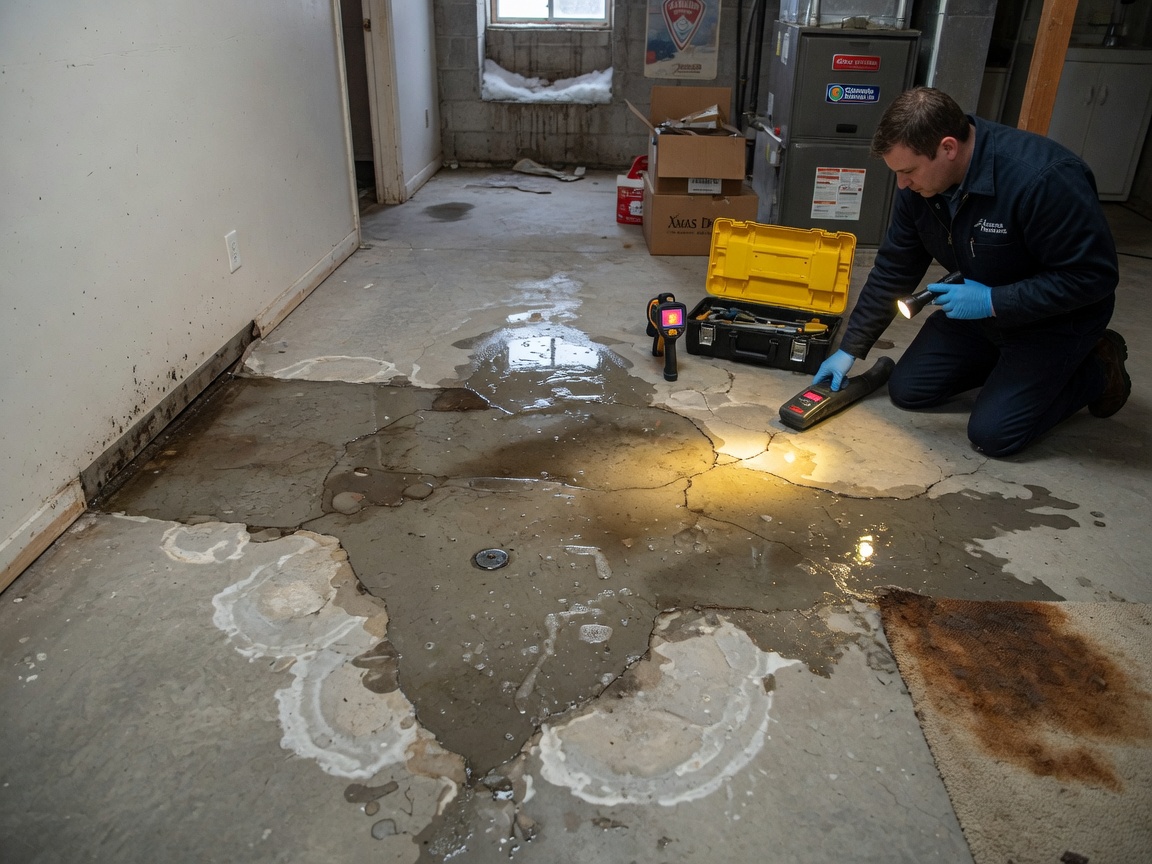
Aurora homeowners typically notice slab leaks first through a sudden 20-30% spike in monthly water bills without increased usage, followed by warm or damp patches on tile floors and reduced water pressure at fixtures. These patterns appear regularly in neighborhoods with older concrete-slab construction where supply lines run beneath the foundation.
How Aurora Winters Trigger Slab Leaks
Semi-arid conditions with hot summers and cold winters create repeated freeze-thaw cycles that stress copper and PEX lines under slabs. In Arapahoe County, temperatures that drop below freezing for multiple nights cause water inside pipes to expand, cracking joints especially in homes built before 1990 in Aurora Hills and Hoffman Heights. Soil around the foundation contracts during dry summers then heaves when snow melts, shifting pipes and creating pinhole leaks. Residents in Fitzsimons and High Point see this pattern every January through March when outdoor faucets and sprinkler systems are already vulnerable. Professional leak detection and repair uses acoustic tools and infrared cameras to locate breaks without breaking up large sections of concrete.
Visible and Sensory Clues in Local Homes
Moldy odors near baseboards or along carpet edges often signal moisture rising from a slab leak, particularly in Meadow Hills and Mission Viejo where many ranch-style homes sit on expansive clay soils. Cracks in tile grout or buckling hardwood floors appear after weeks of undetected leakage because water migrates outward from the pipe. Homeowners in Del Mar Parkway and Peoria Park frequently report hearing running water when all fixtures are off, or feeling soft spots when walking across certain areas of the living room. These signs differ from roof leaks because the moisture stays consistent regardless of recent rainfall. Checking the main water meter for movement after shutting off all indoor valves provides a quick confirmation test before calling a plumber.
Why Homes Near Aurora Reservoir and Cherry Creek State Park Face Higher Risk
Properties close to Aurora Reservoir and Cherry Creek State Park sit on terrain with more variable groundwater levels that increase hydrostatic pressure against slab foundations. In East Ridge and Murphy Creek, older galvanized lines installed when these areas developed now corrode faster due to soil minerals common in Arapahoe County. Nearby cities like Denver and Parker experience similar issues, yet Aurora's combination of freeze cycles and rapid summer drying accelerates pipe fatigue. Slab leaks in these zones often affect both hot and cold lines, leading to higher energy costs when hot water escapes under the floor. Linking early detection to routine plumbing repairs prevents escalation into sewer line problems that require hydro jetting later.
Steps to Confirm and Address Slab Leaks
Start by monitoring the water meter overnight for any movement, then inspect the water heater for constant cycling that indicates lost hot water. Document any warm floor areas with photos and note exact locations relative to bathrooms or kitchens. Contact a local technician during business hours at 13902 E Princeton Pl Ste B to schedule non-invasive testing before excavation. In many cases, rerouting lines through walls or ceilings avoids major floor demolition. Review the related guide on winterizing outdoor faucets and sprinkler systems to reduce freeze-related stress on the entire plumbing network each fall.