
2026-08-20 ·
What Causes Low Water Pressure In Aurora Neighborhoods
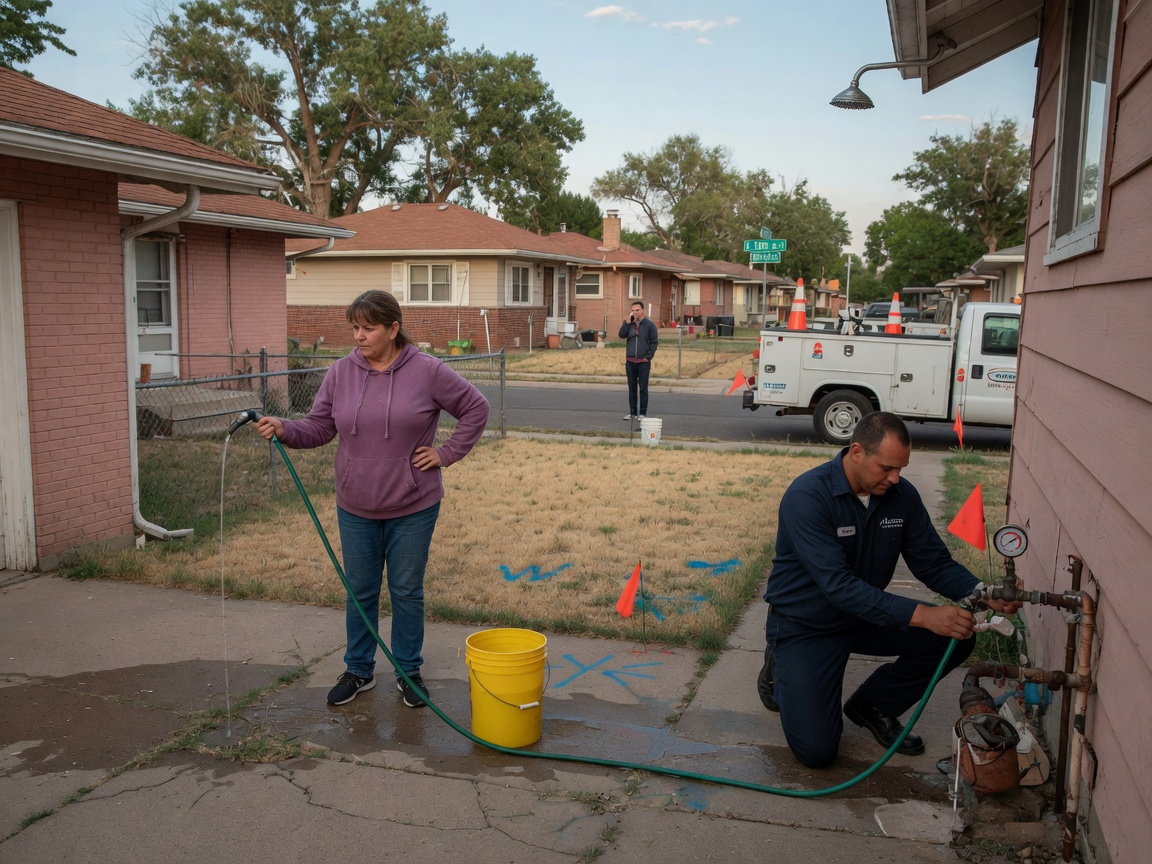
Low water pressure in Aurora neighborhoods typically stems from mineral deposits accumulating in pipes, corrosion in galvanized lines common to homes built before 1970, and occasional municipal supply variations across Arapahoe County. These factors combine with hot summers that increase evaporation and scale formation in the water system.
Mineral Deposits in Aurora Pipes
Aurora's semi-arid conditions with hot summers and cold winters accelerate mineral scaling inside copper and galvanized lines. Water from the local supply carries higher calcium and magnesium levels that settle faster when temperatures swing between 90-degree days and freezing nights. Homes in Aurora Hills and Heather Gardens show this buildup most often because many properties date to the 1960s and 1970s. Residents notice the drop first at upper-floor fixtures or after running hot water for several minutes. A plumbing repairs technician can measure flow rates at the main shutoff to confirm whether scaling restricts the line before the meter or inside the house.
Corrosion in Older Neighborhood Housing Stock
Neighborhoods such as Hoffman Heights, Mission Viejo, and Meadow Hills contain many homes with original galvanized steel piping that has reached 50-plus years of service. Rust and scale flakes narrow the interior diameter over time, cutting pressure especially during peak morning and evening use. Cold winters add stress through repeated freeze-thaw cycles that crack weakened joints. In contrast, newer sections near High Point or Murphy Creek use copper or PEX and report fewer pressure complaints. When corrosion reaches this stage, pressure drops can appear suddenly after a neighbor replaces their main line and increases overall flow demand on the shared system.
Municipal Supply and Regulator Issues
Aurora draws water through the same network serving Denver and Commerce City, so main-line pressure can vary during high-demand periods or after maintenance on Arapahoe County infrastructure. Homes near Cherry Creek State Park or Stanley Marketplace sometimes experience temporary drops when the city flushes lines. Many properties also have pressure-reducing valves installed at the meter that fail after 15 to 20 years, delivering inconsistent flow. Checking the valve setting with a gauge at an outdoor hose bib reveals whether the regulator needs adjustment or replacement rather than internal pipe work.
Practical Steps for Aurora Homeowners
Start by testing pressure at multiple fixtures during both peak and off-peak hours to isolate whether the issue is house-wide or limited to one branch. Note any recent changes such as new construction in Peoria Park or East Ridge that might affect shared mains. For persistent problems, schedule a diagnostic visit that includes camera inspection of accessible lines. Relevant follow-up resources include details on leak detection and repair and an article about Fixing A Running Toilet In Older Aurora Houses that covers related flow issues in the same housing stock.