
2026-08-20 ·
Preparing Sump Pumps Before Spring Runoff
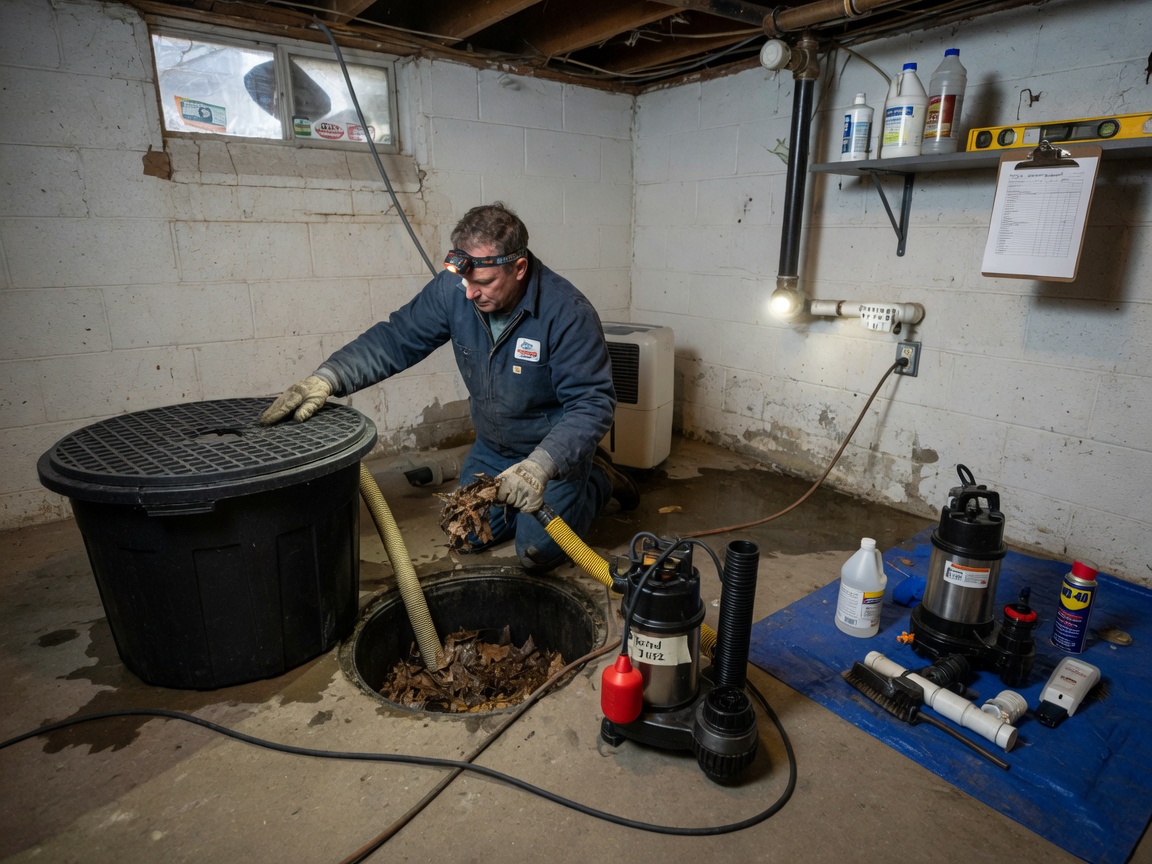
Aurora homeowners should begin sump pump preparation in late February to manage the March-April snowmelt that flows into Arapahoe County from the Rockies. This timing aligns with warming temperatures after cold winters that can leave discharge lines frozen or clogged with debris from areas near Cherry Creek State Park and Aurora Reservoir.
Understanding Local Runoff Patterns
Aurora sits in a semi-arid climate with hot summers and cold winters that drive freeze-thaw cycles affecting sump systems. Snowmelt from higher elevations reaches neighborhoods such as East Ridge, High Point, and Murphy Creek through natural drainage paths that increase groundwater pressure on older homes in Hoffman Heights and Del Mar Parkway. These conditions often overwhelm pumps installed in basements of 1970s and 1980s housing stock common throughout the city. Properties near Fletcher Plaza and the Aurora History Museum face similar risks when rapid warming accelerates runoff into Arapahoe County low spots. Checking float switches and clearing debris before peak flow protects against backups that can occur when lines remain partially frozen from overnight lows still common in early spring.
Inspecting Discharge Lines and Basements
Walk the exterior of homes in Mission Viejo and Peoria Park to locate the discharge pipe and confirm it extends at least 10 feet from the foundation and points downhill. In Aurora Hills and Heather Gardens, check for ice dams or compacted soil that can redirect water back toward the house during sudden warm spells. Inside, examine the sump pit for sediment buildup that accumulates from the area's clay-heavy soils after winter. Test the check valve by pouring water into the pit and listening for proper closure to prevent backflow once runoff begins. Homeowners in Meadow Hills should also verify that the pump's power source remains accessible and that extension cords are rated for outdoor use if temporary power is needed during storms.
Testing and Seasonal Maintenance Steps
Run the pump manually each week starting in February by lifting the float switch and confirming it activates within seconds. Listen for unusual grinding that signals impeller wear common after years of handling sediment from Arapahoe County water tables. Clear the pit of any leaves or gravel that entered through cracks during cold months when covers may have shifted. For homes near Stanley Marketplace or City Center, confirm the alarm system functions so occupants receive notice if water levels rise during work hours. Replace batteries in backup units now rather than during an event, and note that most residential pumps in this climate last 8–12 years before replacement becomes necessary due to repeated freeze exposure.
Professional Support for Persistent Issues
When pumps fail to keep up with flow in neighborhoods like Fitzsimons or High Point, contact a local plumber for plumbing repair that addresses both the unit and connected drain lines. Persistent moisture may also point to issues best handled through drain cleaning to restore proper exterior grading around older foundations. Review the related guide on winterizing outdoor faucets and sprinkler systems for additional steps that protect the full exterior water system before temperatures rise. On Point Plumbing at 13902 E Princeton Pl Ste B, Aurora, CO 80014 is available Mon–Fri 8am–6pm and Sat 9am–2pm to assist residents in Commerce City, Denver, and Parker with these preparations.